P
Ordered a bespoke suit for my brother’s wedding. The tailor’s measurements taken at home took barely 40 mins and the suit fitted perfectly on the first trial. Highly recommend.
Traditional British craftsmanship follows a simple philosophy: fit first, fiber second, fashion last. And so does Tailorboutiques.com.
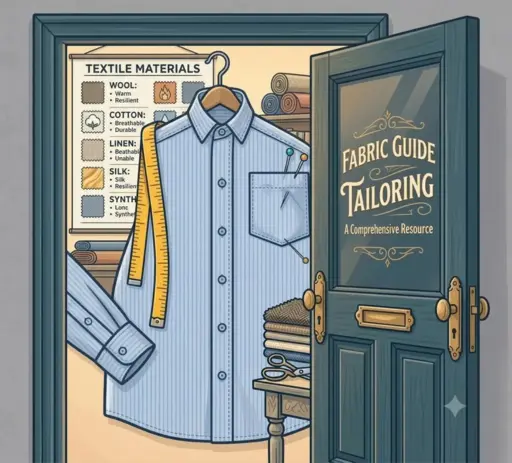
The most important rule in tailoring is choosing the correct fabric: everything else will fall into place thereafter. Choose the wrong fabric and no amount of expert cutting and sewing will compensate.
Regardless of the type of garment, be it a wedding suit or your everyday office shirt, all of our bespoke creations begin with the same fabric selection process. In the guide below we take a look at the main materials that our master tailors deal with on a weekly basis.







Real feedback from customers in Gurgaon-NCR and nearby areas.
Ordered a bespoke suit for my brother’s wedding. The tailor’s measurements taken at home took barely 40 mins and the suit fitted perfectly on the first trial. Highly recommend.
Superb experience. Got some shirts stitched and they have turned out great. Quick service, very efficient. Saved me the trouble of travelling to the tailor’s shop.
Was doubtful about availing a doorstep tailoring service but was pleasantly surprised. Got my chiffon blouse stitched and it has turned out fantastic. The tailor guided us properly about fabric options before we made a decision. The blouse was perfectly draped and it was delivered a day earlier to the promised date. Will definitely opt for their services in future.
Traditional British tailoring, as is also advocated by Simon Skottowe in his writings about tailoring, puts fit as number one, fiber second, and fashion third.
We like to refer to this as the Fit > Fiber > Fashion Rule. This is the first rule that we apply to any order at Tailorboutiques.com
We first think about the garment itself, what needs to happen with it? Should it hug the body? Should it stay smart through several business meetings? Should it allow you to stretch when dancing? Is it for travelling or everyday wear? Should it be structured or flowy?
Our pattern makers call this the Structured vs. Fluid Framework. A jacket is a structured item, it has to hold its shape and may well be tailored with positive ease.
A slip dress on the other hand will be tailored with negative ease and will be made from a fabric that flows and drapes beautifully over the body.
Only then do we think about the ideal fabric, what characteristics do we require? Only then do we take into account natural vs. artificial fibers etc. Color and style will follow.
It is amazing how easy it is to pick fabrics once you have taken this process through, it is amazing how difficult it is to pick a fabric based on color and fashion.
Probably the world’s most popular and versatile textile used in shirts, trousers and casual clothing. Easy to care for, cotton breathes well.
Made from the fibres of the flax plant, it gets its name from the Flemish word for flax (linnen). Historically Flanders, now Belgium, and France have been well known for their linen and textile craft.
Lightweight and breathable, linen is popular for suits worn in warmer climates for its lightness and cooling effect.
Linen does tend to crease and crumple more easily that cotton due to its loose weave. A blend of the two fibres will mitigate this making a good option for jackets and shirts.
Something we explain to clients who are interested in a nice breathable suit for hot days out.
Fine suiting wool is usually milled in Yorkshire (UK), Biella and Prativero (Italy). Wool is a wonderfully versatile fibre, from lightweight summer wool: around 160 GSM to a heavier winter cloth: closer to 390 GSM.
Wool can be divided into two broad categories; suiting wools such as merino which is graded as super 100s to super 150s, where the higher the number the finer the diameter of the wool fibre, where Super 100s wool has a diameter of around 18.75 microns and Super 150s is 16.25 microns, then there are textured wools such as tweed and flannel, these don’t have a fine wool diameter and are not as soft but offer warmth and hold their shape really well.
Tweed has a twill weave which adds to this texture (diagonal ridges) and durability.
Other woolen fibres such as cashmere and mohair offer warmth and a beautiful sheen and hand which can be used in jackets and coats.
These are just some of the main textile you’re likely to come across, really a wardrobe revolves around wool, cotton, linen.
Special Occasion Fabrics include chiffon, crepe de chine and georgette.
Chiffon is a fine, sheer and delicate fabric often used in evening wear, whereas crepe de chine and georgette are similar to chiffon, but have a bit of body to them.
Crepe de chine is commonly requested by our clients. Silk chiffon adds a luxurious and delicate texture to blouses and dresses.
Poplin is a finely woven cotton with a very smooth texture, a crisp finish and a beautiful sheen making it a favourite fabric for shirting.
Satin has a smooth, glossy finish giving garments made from it a sense of luxury and opulence.
Garments made from these fabrics exude refinement, elegance and sophistication.
Casual wear fabrics include fleece and suede. Fleece provides thermal insulation without the added weight making it ideal for cold weather garments, while suede is a type of leather with a fuzzy or velvety surface providing another option to our clients besides traditional leather outerwear.
Jersey / Stretch Fabrics can be found everywhere in womenswear, from T-shirts and tops to flowing dresses and skirts.
It’s important to check the amount of stretch when choosing stretch knits. At this point, it’s helpful to know whether you’re making something fitted, like a T-shirt, or activewear as this will determine the amount of stretch needed in the fabric.
Lay out the fabric and take a piece that’s four inches, using a ruler if necessary, stretch it out as far as it will go and measure.
For fitted T-shirts we usually go with fabrics that stretch 25%. Activewear should be made from a knit that stretches at least 50% and returns to it’s original size quickly.
Fluid or structured garments?
At this stage we’ve gone through womenswear categories together with our clients and narrowed down their picks.
Whether it’s a blouse, skirt, T-shirt or bespoke item that will be worn by just one client, we need to determine whether each item will be structured or fluid.
This will greatly influence how we construct the garment and the ultimate effect and fit once worn.
The same applies to choosing fabrics for menswear garments. Clients can browse through crisp shirts, wool suiting, jackets, coats, overcoats and trousers.
Wool trousers and wool jackets are the most commonly chosen for daily wear in the office. Once your client has chosen the perfect cloth, that’s when we can begin.
Ordering with us is easy. Simply choose the piece you’d like, whether a dress shirt in crisp poplin or a bespoke suit in classic worsted wool, then send us a message with the requirements and the occasion that the garment will be used for.
A member of the team will then visit you at your place of choice to take your measurements and discuss the piece, including cloth choices and final details.
For those who require a garment to be completed in a shorter timeframe, our MTM range is the best compromise between convenience and perfect fit.
Unlike most tailoring companies, we do not outsource production to a neighborhood tailor. All pieces are cut and stitched in-house, by our very own karigars and tailors.
The final cost is determined beforehand, after which, it’s just a matter of waiting for a number of working days for the piece to be delivered, steamed and ready-to-wear at your doorstep.
Better than that, our bespoke suits are built to be worn for years and years, retaining shape while gaining character with age.
Send us a Whatsapp at 8448448089 and book an appointment with Tailorboutiques.com to get measurements taken at your home.
We will give you the exact price before we start cutting the cloth.
Whether it be your first bespoke suit, shirts for the workplace or an entire wardrobe for wedding seasons, it is essential to have the right fabric to make it last or fail.
| What You Get | Tailorboutiques.com ⭐ | Typical Local Tailor 🏬 |
|---|---|---|
| Tailoring Team | 👔 Our own in-house tailors and karigars | ⚠️ Usually outsourced to third-party stitchers |
| Convenience | 🏠 At home at a time of your choosing | 🚶 Have to go to the shop |
| Fabric Selection | 🧵 Carefully curated fabrics with fibre & weight information provided ahead of time | ⚠️ Limited options with varying quality |
| Pricing | 💰 Fixed upfront before fabric is cut | ❓ Often negotiated/changed after stitching |
| Delivery Commitment | 📅 Decided and mentioned at the time of booking itself | ❌ Rarely assured upfront |
| Garment | Premium Price |
|---|---|
| Kurti | 1,800 |
| Kurti with Lining | 2,000 |
| Suit with Salwar (Kurti + Salwar) | 3,000 |
| Suit with Salwar Half Lining (Lining in Kurti) | 3,200 |
| Suit with Salwar Full Lining (Kurti & Salwar Both Lining) | 3,500 |
| Suit with Pant (Kurti + Pant) | 3,000 |
| Suit with Pant Half Lining (Lining in Kurti) | 3,200 |
| Suit with Pant Full Lining (Kurti & Pant Both Lining) | 3,500 |
| Suit with Palazzo (Kurti + Palazzo) | 3,000 |
| Suit with Palazzo Half Lining (Lining in Kurti) | 3,200 |
| Suit with Palazzo Full Lining (Kurti & Palazzo Both Lining) | 3,500 |
| Blouse | 2,000 |
| Blouse with Lining | 2,500 |
| Princess Cut Blouse with Lining | 2,600 |
| Net Blouse with Lining (Three-Piece Blouse) | 3,500 |
| Blouse Padded | 3,500 |
| Net Blouse Padded (Three-Piece Blouse) | 4,500 |
| Anarkali Dress | 6,000 |
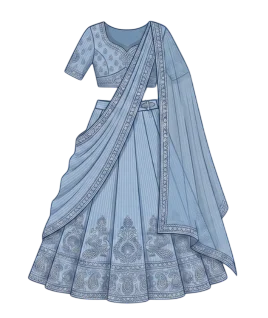
| Lehenga | 10,000 |
| Lehenga Choli | 13,500 |
| Sharara Suit | 6,000 |
| Gharara | 6,000 |
| Saree Ready to Wear (Clip-on Saree) | 3,000 |
| Saree Ready to Wear with Petticoat | 5,000 |
| Ready Made Petticoat with Alteration | 1,500 |
| Custom Petticoat | 2,500 |
| Custom Petticoat With Fabric | 3,500 |
| Skirt | 2,000 |
| Formal Shirt | 2,000 |
| Formal Trouser | 2,500 |
| Blazer | 7,500 |
| Two Piece Suit | 10,000 |
| Three Piece Suit | 14,000 |
| Western Dress | 8,000 |
| Basic Gown | 8,000 |
| Fall Pico | 990 |
| Pico | 250 |
| Alteration Onward | 990 |
| Garment | Premium Price |
|---|---|
| Shirt | 1,490 |
| Pant | 1,490 |
| Trouser | 1,490 |
| Coat | 6,390 |
| Waistcoat | 3,390 |
| 2 Piece Suit | 8,390 |
| 3 Piece Suit | 10,890 |
| Double Breasted Jacket | 6,690 |
| Double Breasted Suit | 8,890 |
| Tuxedo Suit | 9,390 |
| Tuxedo Jacket | 8,390 |
| Long Coat | 8,390 |
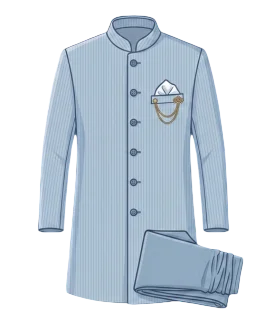
| Jodhpuri Bandhgala | 8,390 |
| Nehru Jacket | 3,890 |
| Indo Western | 10,890 |
| Sherwani | 10,890 |
| Safari Suit | 3,890 |
| Kurta | 1,990 |
| Kurta Pajama | 3,390 |
| Pathani | 2,390 |
| Pathani Kurta Pajama | 3,590 |
| Alteration | 999 |
This price list is only for customers from Delhi-NCR.
Please Note:
"Any Additional Design, Patterns, Heavy Embroidery Fabric Stitching & accessories will incur extra charges. These charges will be added to the total bill amount."**
All Payments are in ₹ INR
Price may be changed at any time without further notice
Terms and conditions applied**
Interfacing is used to stiffen, reinforce or add body to certain parts of a garment. Usually applied to collars and cuffs.
Underlining is a layer of fabric between fashion fabric and interfacing or between fashion fabric and lining to strengthen or add body to a garment. Underlining covers the whole of the fashion fabric whereas Interfacing is applied to specific areas.
Lining is a layer of fabric sewn into a garment that covers the inside of the garment. Choice of Underlining and Lining fabrics depends on the fashion fabric and the type of garment.
Fold a piece of knit fabric crosswise into quarters. Measure the folded fabric, say, 4-inches.
Now, gently stretch the crosswise grain until it measures 5-inches. This is a knit with 25% stretch.
If the same 4-inch stretch measures 6-inches when stretched, it has 50% stretch. Always test the amount of crosswise stretch before cutting.
Always follow the “Pre-Cut Protocol”. Preshrink fabric, make sure it’s on-straight-of-grain and let it relax before cutting.
Cutting fabric correctly prevents shifting and shrinking after garment is stitched.
To help with cutting sheer fabrics, place the fashion fabric between two sheets of tissue paper and cut all three layers at once.
You can also prepare sheer fabrics for cutting by giving it a stiff starch bath.
Always follow the direction of the pile and cut fabrics that have sheen in one direction for a “nap layout”.
If you ignore this step, garment pieces will be a different shade.
Modal is a type of Viscose, a regenerated cellulose fibre. Modal shrinks less than Viscose and they share the same hand-feel, very drapey and soft.
Lyocell is another member of the cellulose fibre family. Lyocell has higher strength when wet and is produced in a more environment-friendly process. Trade name is Tencel®
Bamboo fabric is most likely to be a type of viscose which is known to be softer than regular viscose.
The higher the Super S number of a woolen fabric, the finer the fibres in the fabric.
Super S refers to the diameter of merino wool used measured in microns or µ.
Super 100s has an average diameter of 18.75 µ while Super 150s has an average diameter of 16.25 µ.
Woolen fabrics with higher Super S numbers feel softer but don’t last as long.
Reduce positive ease and even use some negative ease at bust/waist/hip while drafting/altering a pattern for stretchy/drapey fabrics when compared to stiffer fabrics.
Fabrics that are “unpinnable” need to be held with clips or low-tack tape.
Leather, vinyl, suede, etc. sew better with a Teflon foot/walking foot.
Different types of fabrics also need specific sewing machine needles – universal for most woven fabrics, ballpoint for knits, stretch needle for elastane blends, denim needles for heavyweight denim and leather needles for leather.